Historical Facts
The story of Jesus’ crucifixion and resurrection is central to Christian faith, but what does archaeology reveal about these events? Over the years, various discoveries have provided fascinating clues that align with biblical narratives. From the possible site of Golgotha to the mysterious Shroud of Turin, these findings offer compelling evidence of the historical footprints of Jesus.
THE SITE OF JESUS’ CRUCIFIXION: GOLGOTHA AND THE GARDEN TOMB
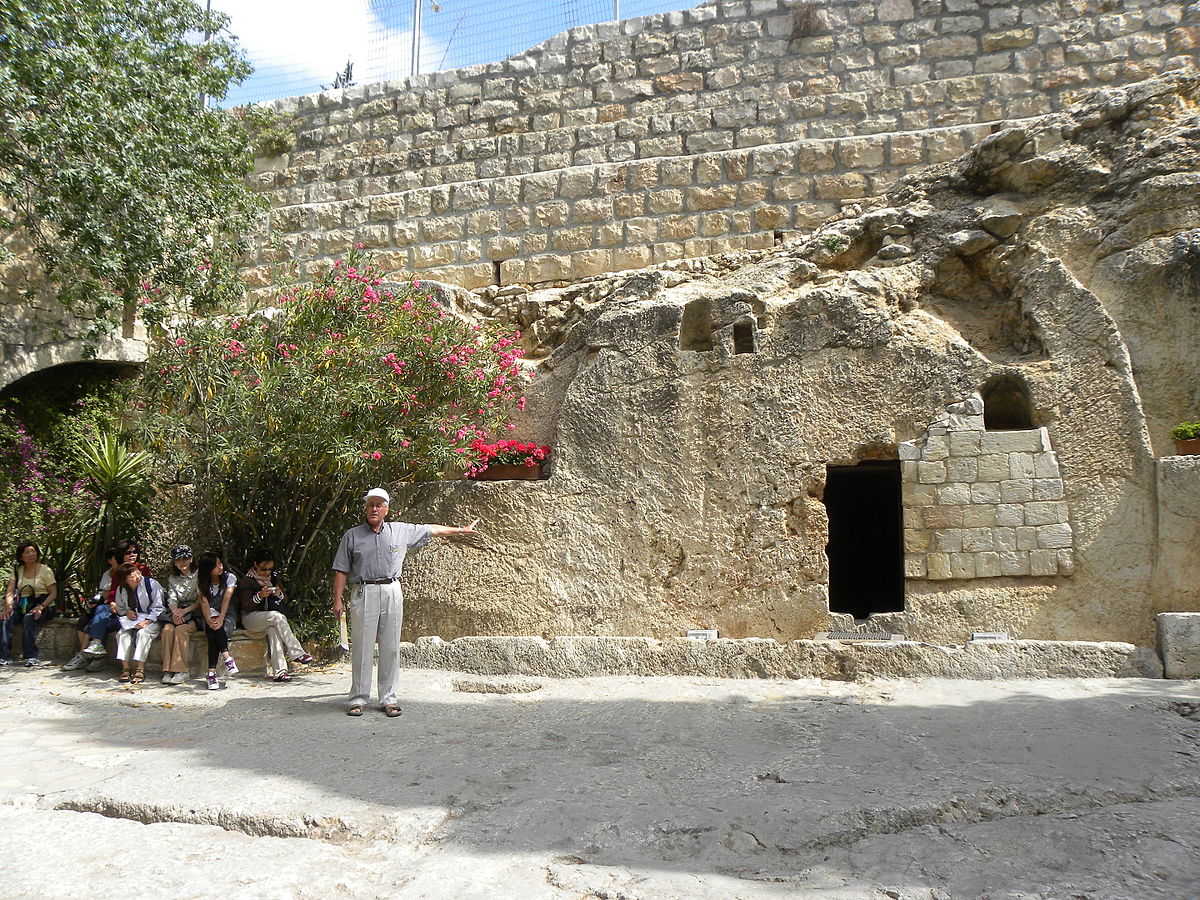
Golgotha, the site of Jesus’ crucifixion, is a controversial location in biblical archaeology. Traditionally, the Church of the Holy Sepulchre in Jerusalem is identified as the site.
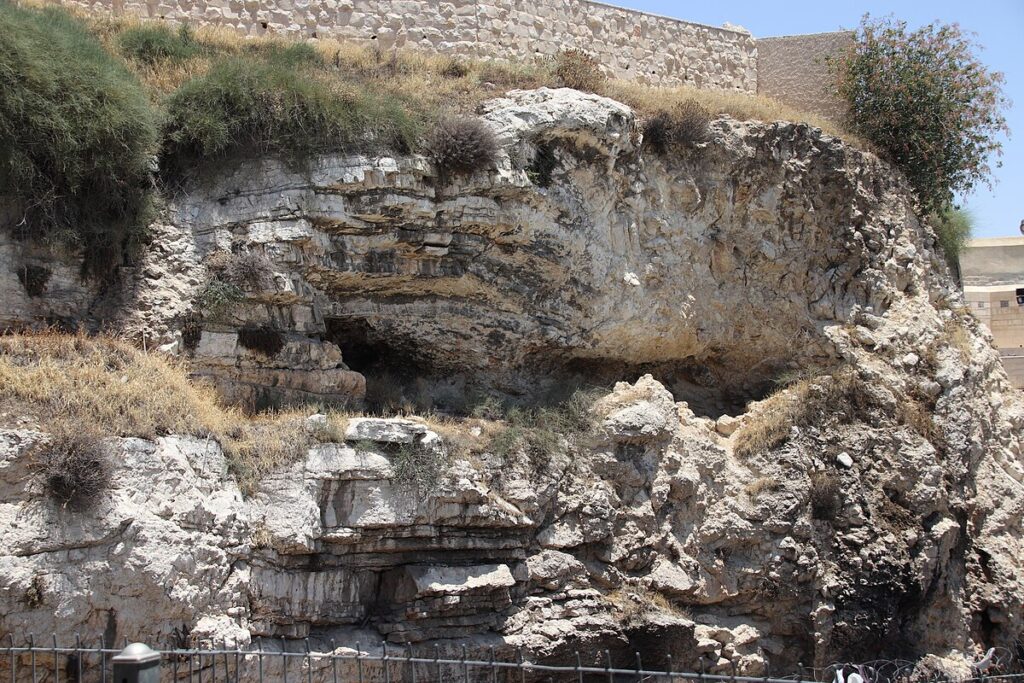
The Garden Tomb, discovered in the 19th century, is believed to align with the biblical description of Golgotha, meaning “place of the skull.” Some scholars believe its proximity to a skull-shaped hill aligns with the biblical description of Golgotha, meaning “place of the skull.”
THE STONE OF ANOINTING AND THE EMPTY TOMB
The Stone of Anointing, located in the Church of the Holy Sepulchre, is believed to be where Jesus’ body was prepared for burial. Despite debates on its authenticity, it remains a symbol of His sacrifice. The empty tomb, found by women, and the explosion of Christianity shortly after this event are significant evidence of the resurrection’s truth.
THE SHROUD OF TURIN: A GLIMPSE OF THE CRUCIFIED CHRIST?
The Shroud of Turin, an ancient linen cloth with a faint image of Jesus, is a mysterious artifact. Carbon dating results suggest it may be older, possibly dating back to Christ’s time. Scientific analysis reveals the image was imprinted through an unknown process, suggesting it could be Jesus’ burial cloth, capturing His resurrection moment. The mystery remains unsolved.
THE TRUE CROSS AND THE ROMAN CRUCIFIXION EVIDENCE
Historical records show that crucifixion was a common Roman execution method. In 1968, archaeologists discovered the remains of a crucified man in Jerusalem, proving that nails were driven through the feet, just as the Bible describes Jesus’ suffering. As for the True Cross, tradition holds that Helena, the mother of Constantine, discovered pieces of the cross in the 4th century. While fragments are housed in various churches, their authenticity remains debated. Still, their existence demonstrates the deep historical roots of Jesus’ crucifixion.
While some mysteries remain, these discoveries encourage believers to walk by faith while appreciating the tangible footprints of the Bible left behind in history. Whether through artifacts, ancient texts, or sacred sites, the echoes of Jesus’ sacrifice and triumph over death still resonate today.
Related Posts
REDISCOVERING THE POOL OF SILOAM
FAMOUS MISSIONARY – William Carey